Their voice · 1944

Founding Grace Community Church

The church began in his front room, with eleven people and two folding chairs. He had returned to London after the war, not back to Ghana as everyone expected, because he had seen what the African soldiers who came to Britain had found when the fighting was done: a city that needed them less in peacetime than it had in war.

—

Reverend Mensah recalls holding the first service in his front room in Brixton, with eleven people, two folding chairs, and no certainty of what the church would one day become.

Hearing someone's voice across time is something no photograph can do.

Family & connections
View as family tree

Their life, as remembered

6 memories

1900s
1902·Cape Coast, Gold Coast (now Ghana)

Born in Cape Coast

Emmanuel Mensah was born in Cape Coast in a household where three languages were spoken before breakfast: Fante, Twi, and the careful English his father used for correspondence. His mother was a teacher who believed that a child who could read was a child who could not be entirely owned by anyone. She gave him a Bible when he was five. He could not read it yet, but he held it with two hands.

Emmanuel Mensah as a young man in Cape Coast, circa 1920.
Emmanuel Mensah as a young man in Cape Coast, circa 1920.

Cape Coast, circa 1920.
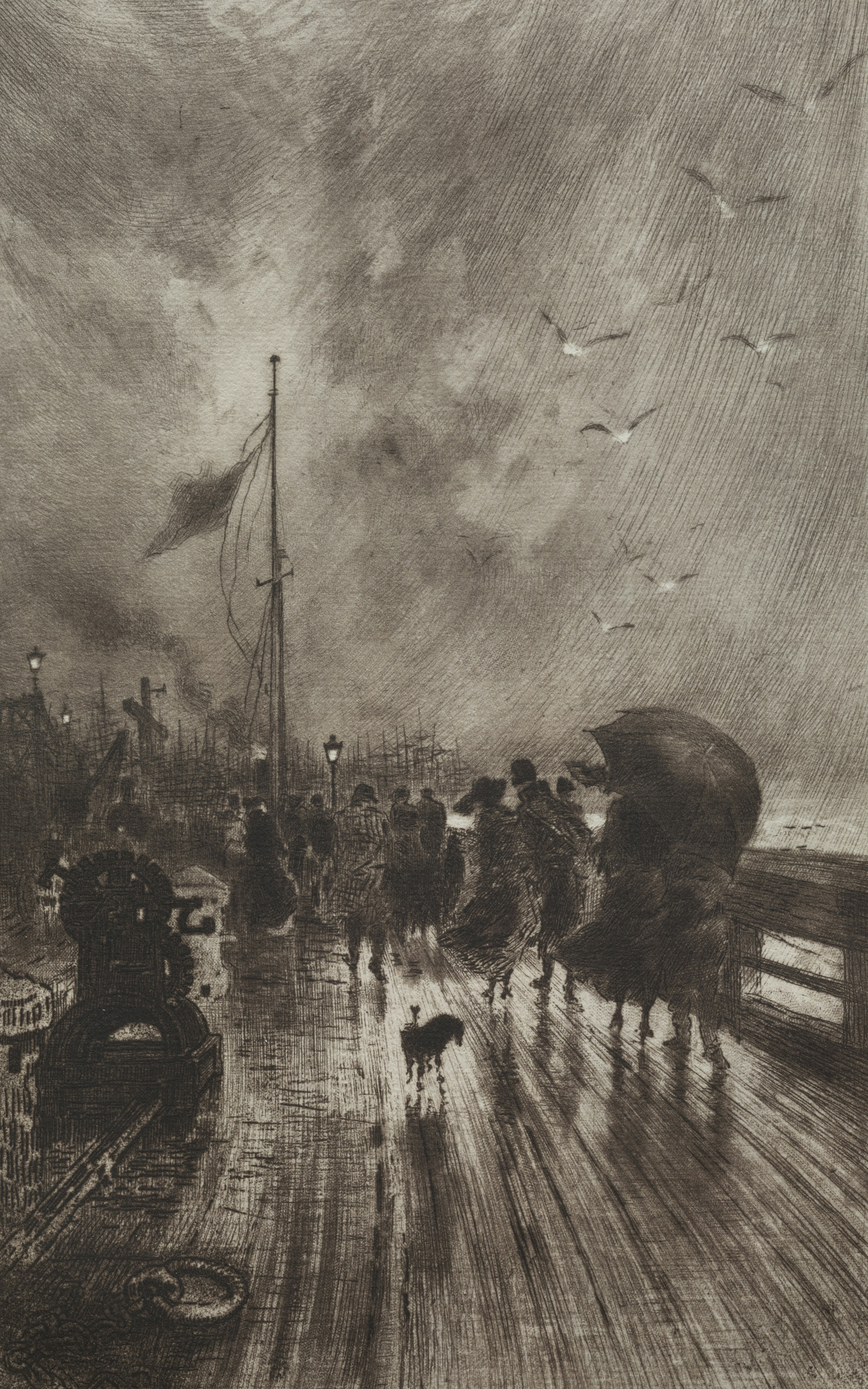
Cape Coast, circa 1920.
1930s
1930·London, England

Crossing to England

He was twenty-eight when he boarded the ship for Southampton to study theology at Kings College London. The crossing took three weeks. He was seasick for most of it. He wrote in his diary that the sea was vast and entirely indifferent, which frightened him until he decided that indifference was not the same as hostility. He arrived with a scholarship, a trunk of books, and a profound terror of the English winter, which turned out to be entirely warranted.

From his diary, crossing to England, 1930

From his diary, crossing to England, 1930

1940s
1944·Brixton, London

Founding Grace Community Church

The church began in his front room, with eleven people and two folding chairs. He had returned to London after the war, not back to Ghana as everyone expected, because he had seen what the African soldiers who came to Britain had found when the fighting was done: a city that needed them less in peacetime than it had in war. He thought someone should stay. The church grew. Within a decade they needed a proper building. He raised the money himself, letter by letter, one congregation at a time.

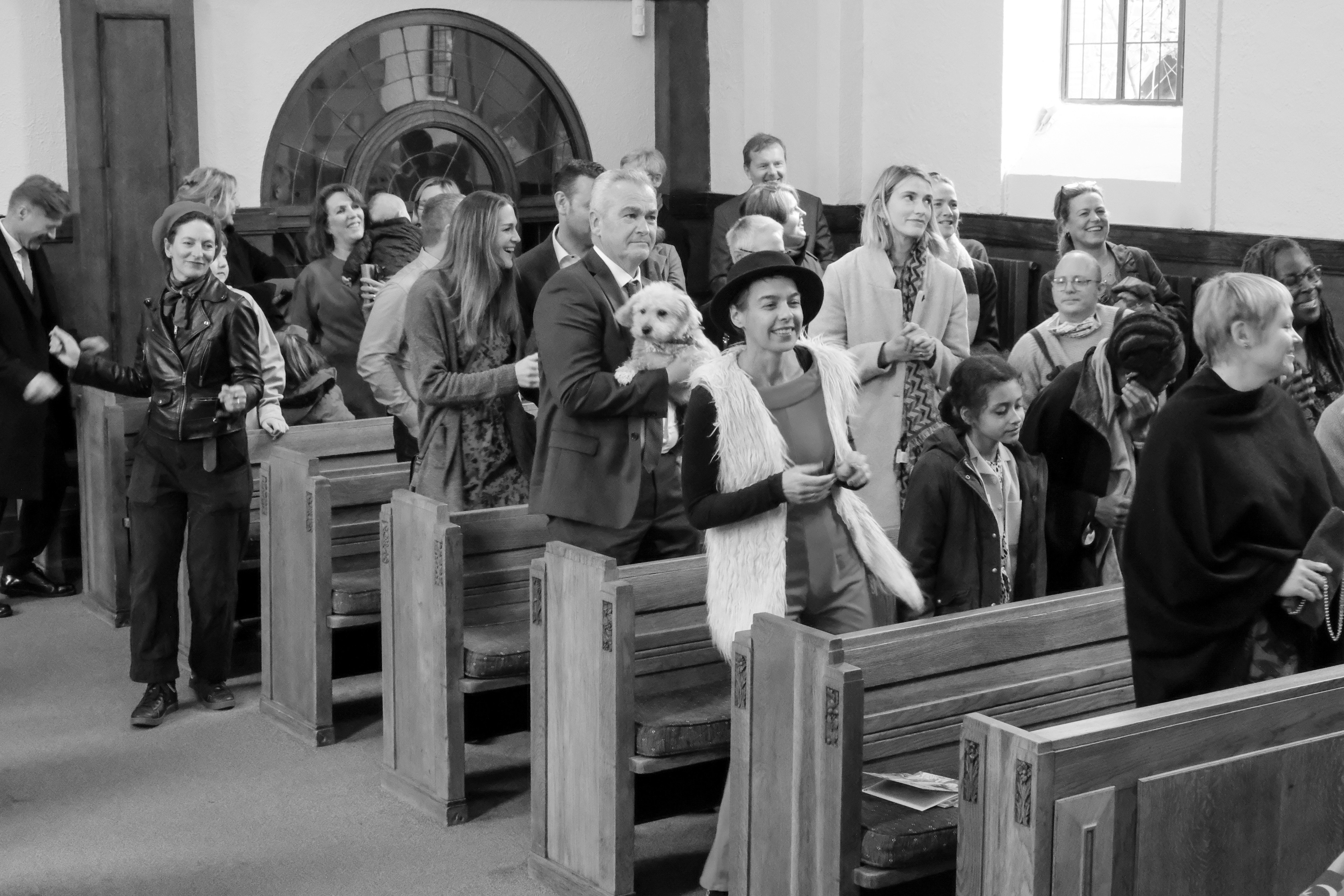
The first congregation of Grace Community Church, Brixton, 1944. Eleven members.

The first congregation of Grace Community Church, Brixton, 1944. Eleven members.

Grace Community Church, founded Brixton 1944

Grace Community Church, founded Brixton 1944

1950s
1955·Voice recording

A congregation that looked like the world

By 1955, Grace Community Church had members from Ghana, Nigeria, Jamaica, Barbados, Trinidad, Sierra Leone, and six English counties. Reverend Mensah refused to call this remarkable.

—

He reflects on the congregation that grew to include families from Ghana, Nigeria, Jamaica, and six English counties, and what he preached about the laziness of division.

1980s
1985

The last sermon

He preached his last sermon at eighty-three years old. He had been told by his doctor not to stand for more than twenty minutes, so he stood for forty-five. The sermon was on the story of the prodigal son, which he said he had only fully understood in his old age. What he had missed, he said, was the father. Not the son who left, not the son who stayed — the father, who ran. An old man, running down the road to meet someone who had hurt him. That, he said, was the whole story. He sat down and the congregation was quiet for almost a full minute before anyone moved.

1987

He left us with a full house

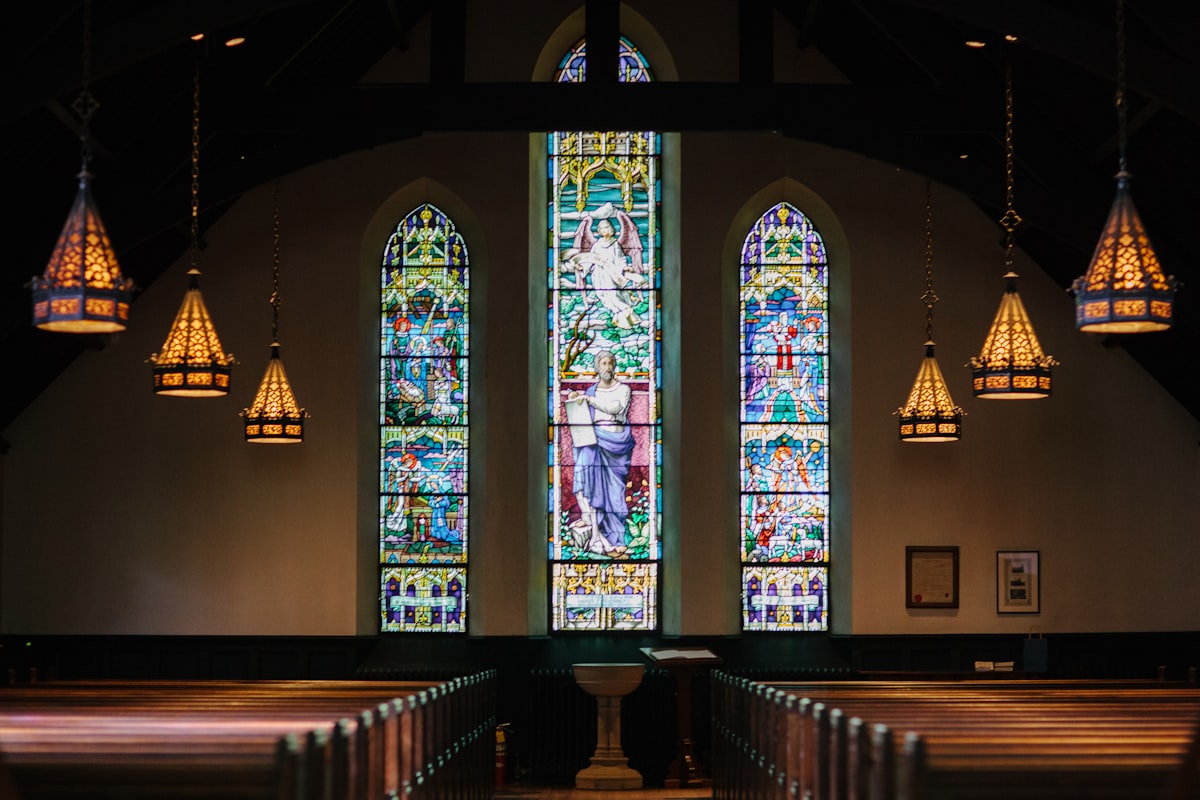
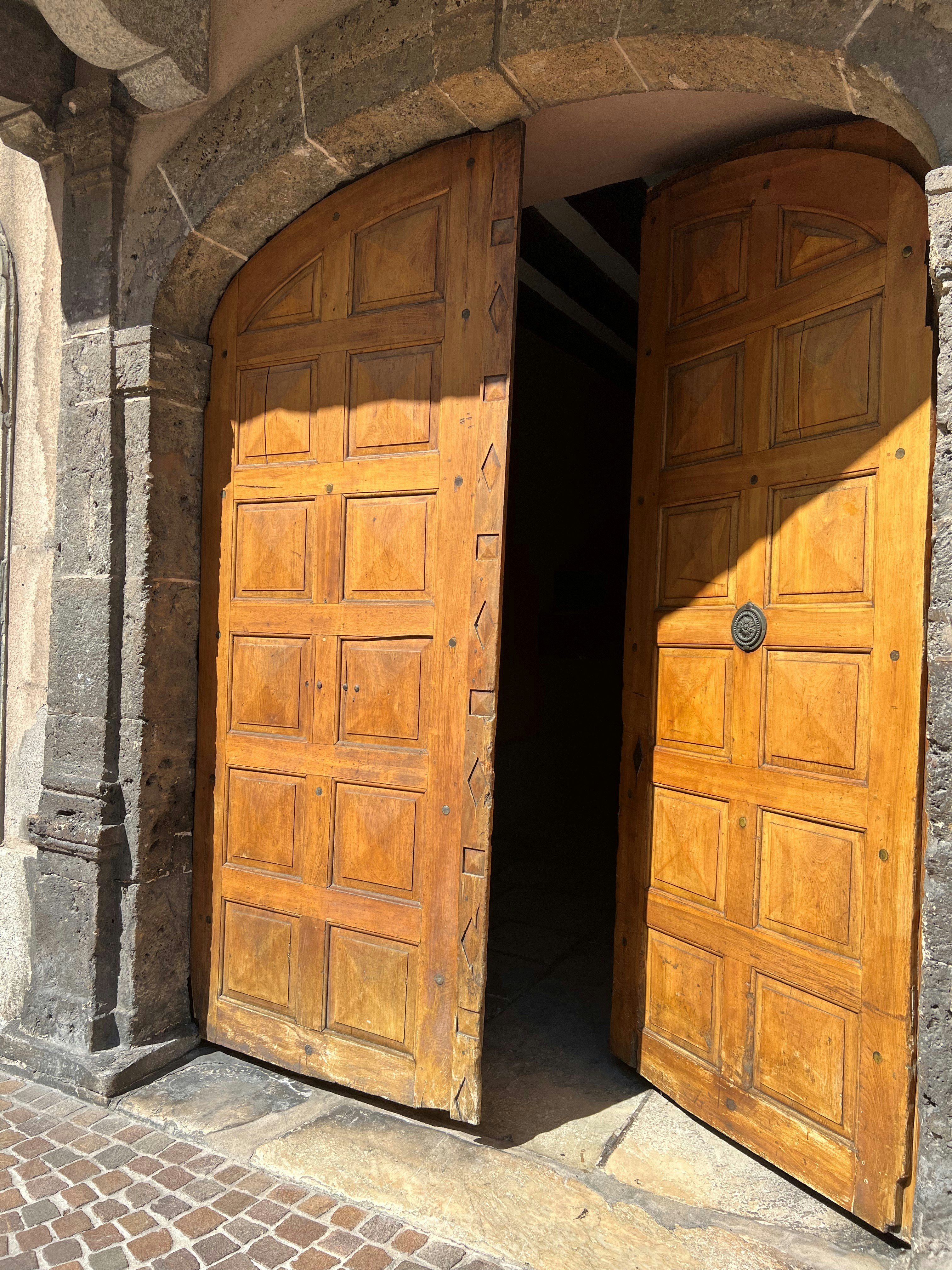
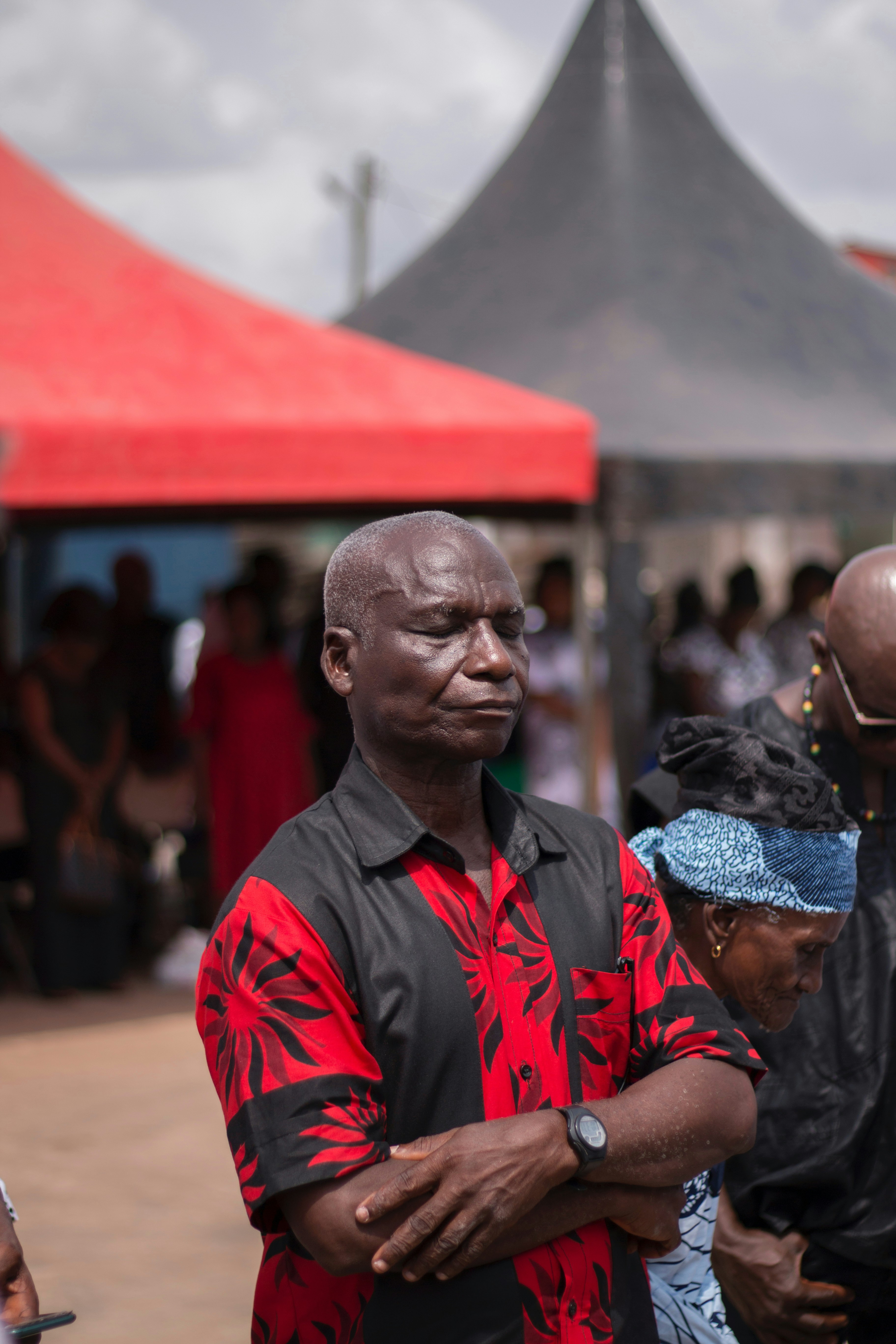
Reverend Emmanuel Mensah died in November 1987, at eighty-five years old. Grace Community Church filled beyond capacity for his memorial service — chairs in the aisle, people standing at the back, others listening through the open doors in the cold. His daughter read the twenty-third Psalm. His son played the organ, badly but with feeling, which everyone agreed was exactly what the occasion called for. The church he founded in a front room in 1944 still stands. His photograph is on the wall by the entrance, next to the door he always made sure was open.

Grace Community Church, November 1987. His photograph by the door he always kept open.

Grace Community Church, November 1987. His photograph by the door he always kept open.

Shared by family & friends

“He married my parents, baptised me, and buried my grandmother. He was at the four biggest moments in our family''s life. He never once made it feel like a service he was performing. It always felt like he was genuinely glad to be there.”

Kwame Mensah· Son

“He died on a Thursday. By Sunday the congregation was larger than it had ever been while he was alive. People came from three other churches. I think he would have found that very funny.”

Comfort Osei· Congregation member

“I played the organ at his memorial and I made several mistakes. He would have laughed. He always said that a music that is too perfect is not listening to the room. I was listening to the room. The room was full of people who loved him, and that made my hands shake, and the shaking was the truth of it.”

Kofi Mensah· Son

Ways to honour Rev.

We are building a network of trusted services to help families honour their loved ones, from grief support to memorial photography and ceremony planning.

Partner services will appear here when available in your area.

List your services

Emmanuel's story was preserved here by Grace. Emmanuel passed in 1987. There is no more time left to ask Emmanuel.

Don't wait

Whose story are you afraid of losing?

Start a story, it's free

Free forever for one story. No card required.